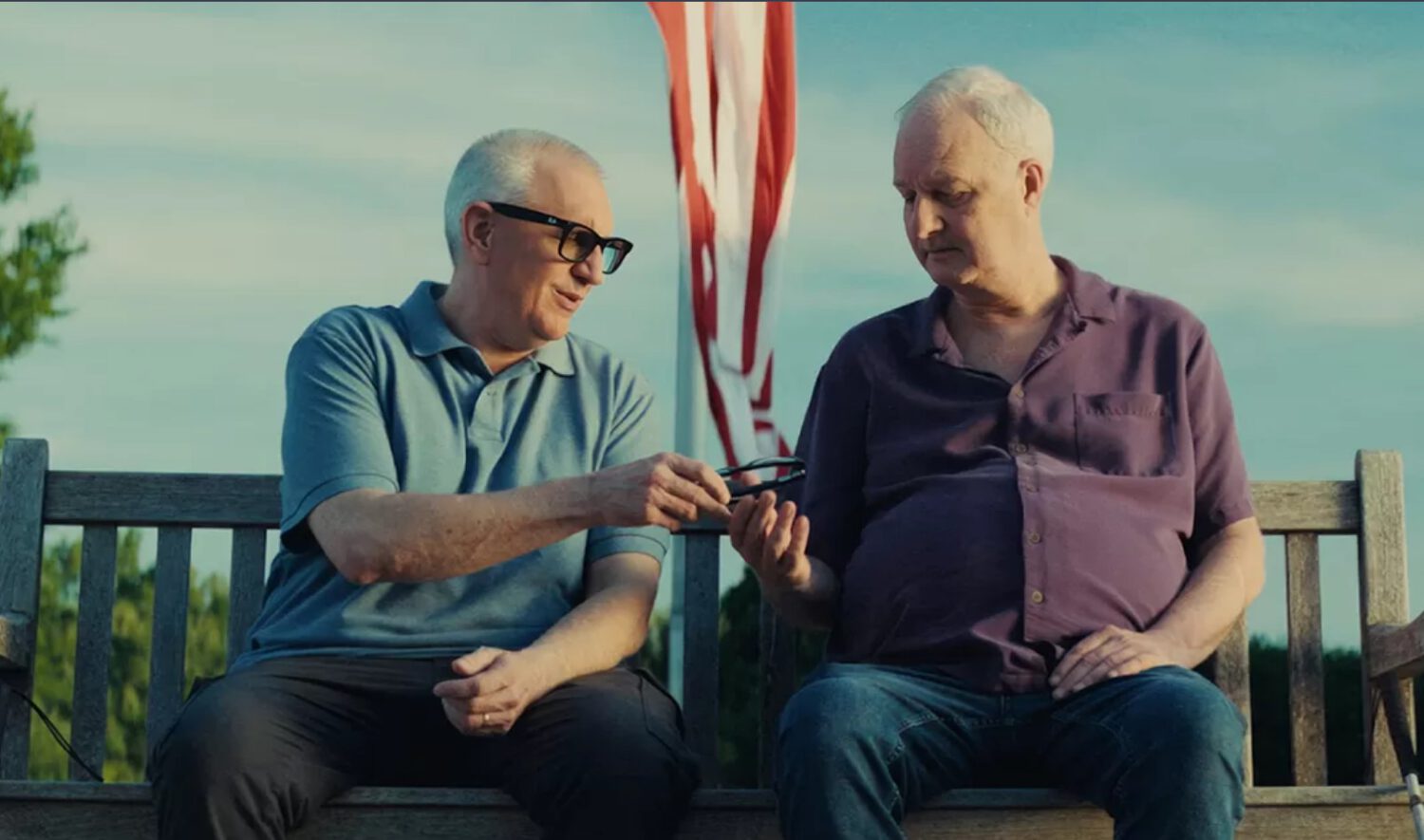
Don Overton, a blind veteran and former executive director of the Blinded Veterans Association, has described the effect of the glasses in terms of independence regained, though a canonical source for that account was not available at publication. The scale of the problem he represents is well documented: according to VA figures, roughly 130,000 American veterans are legally blind, and more than 1 million live with vision impairment that makes daily tasks genuinely difficult.
Meta announced in June that blind veterans in the United States could receive its Ray-Ban Meta AI glasses at no cost, framing the initiative as an accessibility and independence effort. An official Meta announcement confirming the eligibility criteria and distribution details had not been independently verified at publication.
What the Glasses Actually Do
The glasses pair a camera, microphones, and speakers with voice-controlled Meta AI to deliver spoken information hands-free. According to Meta, users can ask the glasses to read mail, prescription labels, or restaurant menus aloud, and the AI responds without requiring the wearer to touch a phone.
Meta also describes a “Detailed Responses” feature that provides information about objects, colors, and environmental details on request. Voice commands can identify what is directly in front of the wearer, which Meta says reduces the need to reach for a phone or ask a nearby person for help.
When AI falls short, the glasses can connect hands-free to a sighted Be My Eyes volunteer, who describes what the camera sees in real time, according to Meta and Be My Eyes. Voice calls, video calls, and messages through connected services are available as well.
The Privacy Problem You Should Know About
Engadget reported that Meta faces a class-action lawsuit alleging its privacy representations were misleading. Reports emerged that contractors in Kenya reviewed footage captured through the glasses, including identifiable faces and, according to the reporting, sensitive material such as nudity and sexual activity.
These are legal allegations, not established findings. Meta told Engadget that data shared with Meta AI may sometimes be reviewed by human contractors to improve the service.
The bystander issue is distinct and worth stating plainly: the camera can capture people who never agreed to be recorded. Anyone considering the glasses should review Meta’s privacy settings and understand when images or audio are transmitted to the cloud. Avoid wearing the device in environments where secretly tracking users would be inappropriate or illegal.
What Private Tech Cannot Fix
A 2022 VA Office of Inspector General review reportedly found that 87 percent of examined claims showed no evidence that required telephone contact with visually impaired veterans had occurred. A 2022 Senate Special Committee on Aging investigation reportedly found that roughly 90 percent of VA websites fell short of federal accessibility requirements. Both figures require the original reports for full methodological context and have not been independently confirmed here.
Meta’s glasses may provide meaningful, practical help to individual veterans. They do not repair those institutional failures.
A Useful Tool With Real Limits
The Ray-Ban Meta AI glasses represent a potential assistive layer, not a replacement for orientation and mobility training, guide services, rehabilitation, or accessible public institutions. AI descriptions can be incomplete or wrong, and Meta’s own product materials should be read with that caveat in mind.
The glasses require charging and connectivity, and some functions depend on cloud services. What the technology may offer is a reduction in daily friction, and for someone managing vision loss, that reduction can matter well beyond what any product specification conveys.