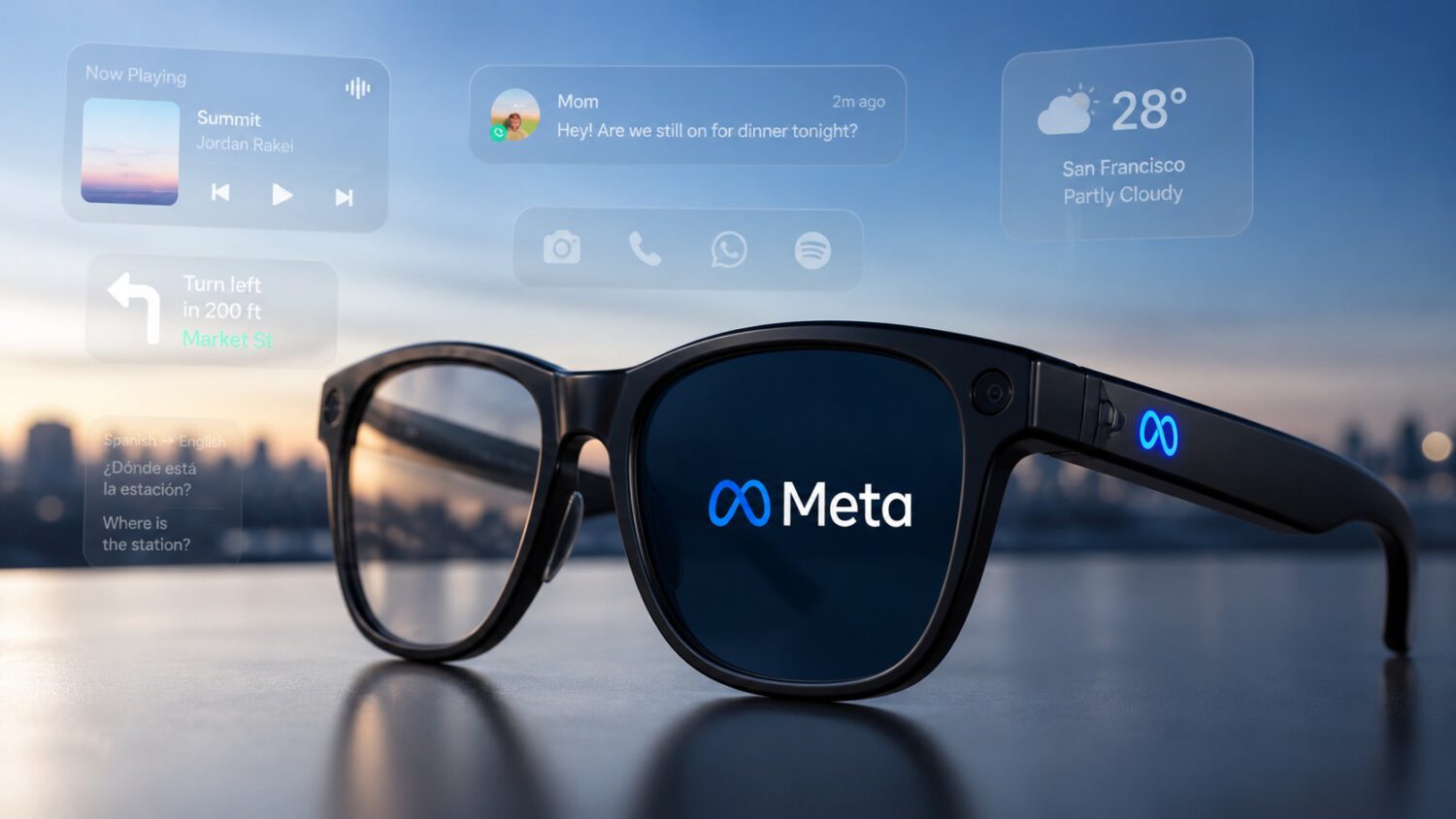
Glasses that look like any other pair you’d find at an optician have reportedly been used to secretly record hundreds Dutch women and girls, with footage circulating on Telegram groups and creepshot websites. The recordings were traced to Meta’s AI-enabled Ray-Ban camera glasses, according to NLTimes reporting. Two Dutch organizations are now preparing to take Meta to court after the company rejected demands to withdraw the product from the Dutch market.
Offlimits, an online-abuse organization, and The Firewall Foundation formally demanded that Meta halt sales and stop processing recordings made without the explicit consent of people who appear in them. Meta refused. According to NLTimes, Offlimits is preparing summary proceedings and expects a hearing within roughly six weeks, pending a court date.
Meta’s head of eyewear, Alex Himmel, defended the product’s front-facing indicator light as notice to bystanders that the camera is recording. When asked about users who cover or disable that light, Himmel described them as “bad actors,” according to NLTimes.
Offlimits director Robbert Hoving rejected that framing directly. “It is always the user’s fault,” Hoving said, according to NLTimes, “never the fact that a product is brought to market that makes abuse easy.”
The legal arguments extend beyond product design. Offlimits lawyer Otto Volgenant contends that Meta may bear direct responsibility because recordings made through the glasses are transmitted into and processed by Meta’s own systems. Volgenant argues this raises potential violations of the GDPR and European privacy law, as well as Dutch criminal law, according to NLTimes and DutchNews reporting. The organizations also argue that the recording indicator is not reliably visible and can be defeated, leaving bystanders without meaningful notice. These are claims and legal theories advanced by the campaigners; no court has yet ruled on them.
Three distinct questions could come before Dutch courts. Can Meta be held liable for foreseeable misuse of its hardware? Is processing footage of non-consenting bystanders lawful under European privacy law? And can urgent proceedings compel a market withdrawal?
While Meta holds its position, the market around it is already shifting. Dutch eyewear chain Hans Anders suspended sales of the glasses in the Netherlands and Belgium, citing privacy concerns, according to Reuters. In Groningen, 35 clubs, museums, and event organizations jointly banned smart glasses from their premises, arguing that camera and AI-equipped eyewear allows people to be recorded and analyzed without their knowledge, according to NLTimes.
The Dutch Data Protection Authority has also warned that videos showing identifiable people generally cannot be shared or published without permission, and that secretly tracking users and posting footage online runs afoul of Dutch law, according to Reuters.
The summary proceedings could force a question that has grown harder to ignore. Can a device that looks like eyewear, records like a camera, and routes footage through a platform’s servers be sold to the general public without safeguards that hold up in the real world? Who decides what protection is sufficient, and what liability follows when it fails, could soon become a matter for a Dutch court.