Your morning shower depends on systems that hackers can breach from thousands of miles away. Poland’s Internal Security Agency recently discovered Russian-backed hackers manipulating water treatment plants in five Polish facilities, including small towns like Szczytno and Tolkmicko, maxing out pressure settings and changing system PINs through internet-exposed control interfaces. This isn’t sophisticated espionage—it’s digital vandalism with deadly potential, similar to the computer problems plaguing legacy systems across all sectors.
Same Playbook, Different Continent
US water facilities face identical attack methods targeting vulnerable industrial control systems.
The Polish breaches mirror attacks hitting American infrastructure with disturbing frequency. Hackers targeted an Arkansas City water plant in September, while Iranian-backed groups exploited Pennsylvania facilities using the same tactics: default passwords and unsecured remote access to critical controls. American Water, serving 14 million customers across 14 states, suffered a breach just months ago. Recent incidents like the White House app security breach demonstrate how these vulnerabilities extend across all government and infrastructure sectors.
“Hackers have identified water and sewage companies as easy targets,” explains Włodzimierz Woźniak from Poland’s Łukasiewicz Institute, noting attackers are “testing whether it is easier to disrupt 70% of small waterworks or one large one.”
Beyond Probing: Real Damage Documented
Video evidence shows hackers stopping turbines and manipulating chemical dosing systems in real-time.
These aren’t harmless reconnaissance missions. Pro-Russian groups twice breached a Polish hydropower plant near Gdańsk, publishing videos of turbine shutdowns and control parameter manipulation. Poland’s Deputy PM Krzysztof Gawkowski confirmed preventing a near-miss hack on a major city’s water supply last August. The 2021 Oldsmar, Florida incident saw an attacker remotely attempt to raise sodium hydroxide to dangerous levels—caught only by an alert operator.
Infrastructure as Battlefield
Legacy SCADA control systems designed for reliability, not security, create nationwide vulnerabilities.
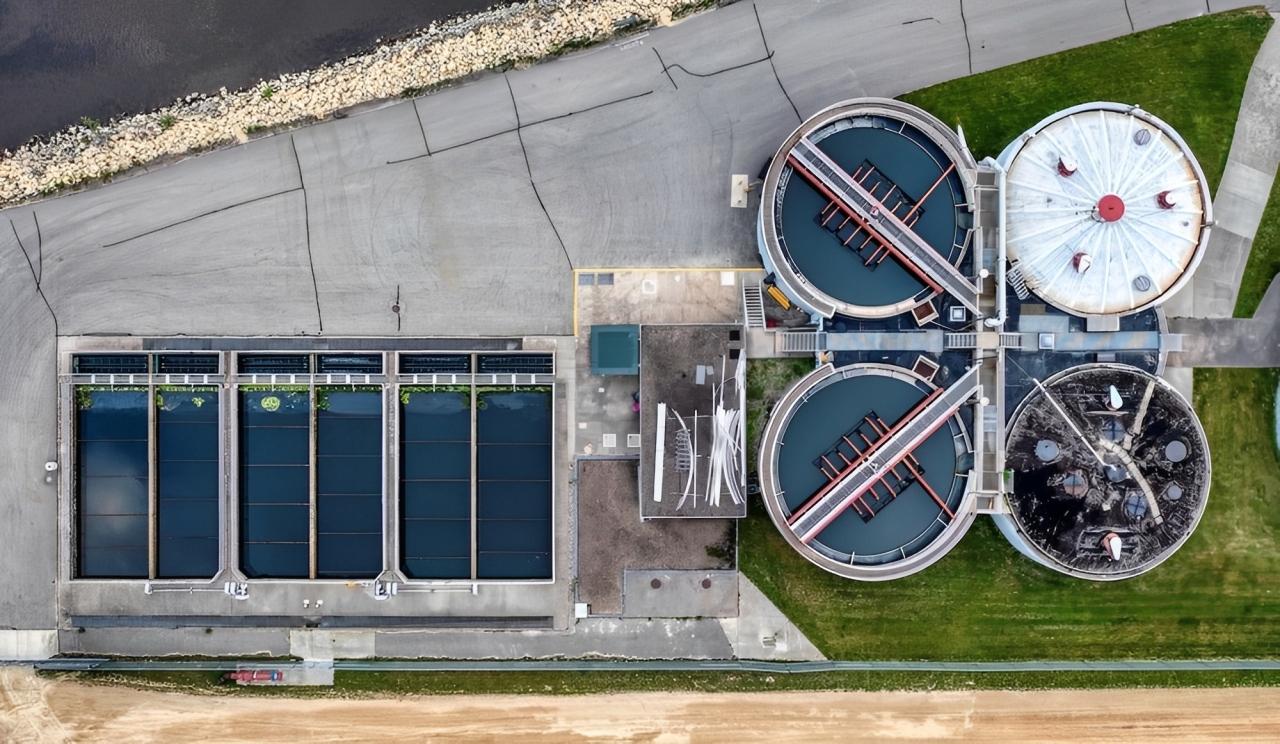
Your local water treatment plant probably runs on decades-old SCADA systems never designed for internet connectivity. These industrial control networks treat cybersecurity as an afterthought, leaving critical infrastructure exposed like unlocked smartphones in a crowded bar. The EPA, FBI, CISA, and NSA issued joint warnings about these exact vulnerabilities. For individuals concerned about protecting their homes from such threats, implementing comprehensive security systems provides a crucial first line of defense.
Poland’s experience serves as a preview of hybrid warfare targeting the mundane systems keeping civilization running. The next breach might not just test limits—it might cross them.